01 Private cultural experiences
Suzhou is still made by hand.
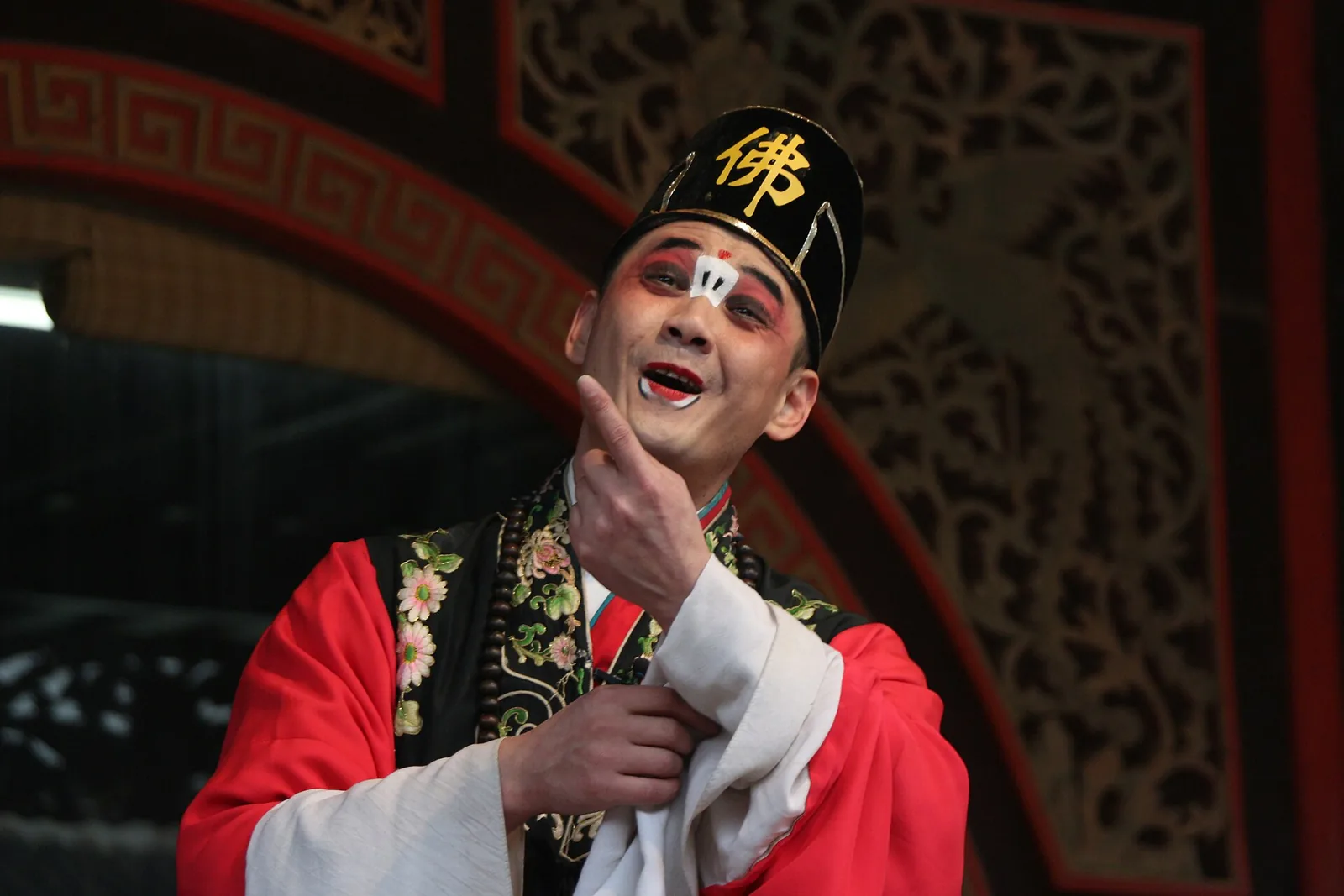
The gardens are only the visible layer. Behind them are embroiderers, carpenters, opera singers and printmakers who still practise the crafts that built this city. These are private days with the people who keep them alive.
Private experiences
Spend a day inside the tradition.
Small groups, working studios, and English interpretation. Quoted per group — never a coach, a queue or a shopping stop.
A day at the embroidery frame
Split silk, learn the stitches, and sit with a practising embroiderer in a working studio.
Arrange this 02 EveningKunqu, from the inside
Read the plot, take a good seat, and watch the hands. A private introduction to China’s oldest opera.
Arrange this 03 Three daysThe Suzhou immersion
Gardens at opening, a silk studio, a Xiangshan workshop, a canal and a performance — in sequence.
Arrange thisQuoted per group. Written confirmation before anything is booked.
The living register
What Suzhou still knows how to make.
The gardens are the visible tip of a much older culture. These six traditions are still practised in the city — some protected by UNESCO, all on China’s national intangible heritage list.
UNESCO Intangible heritage
National ICH China’s list
- 01 Kunqu opera UNESCO · 2001 The opera that gave later Chinese theatre its grammar — and is still performed in the city.
- 02 Su embroidery National ICH · 2006 Silk floss split finer than a hair, worked on both faces of one cloth.
- 03 Suzhou pingtan National ICH · 2006 Two performers, a pipa and a sanxian, and an afternoon in a teahouse.
- 04 Xiangshan craftsmen UNESCO · 2009 The carpenter-builders who turned gardens into architecture.
- 05 Guqin UNESCO · 2003 Seven strings, no frets, and a philosophy of listening.
- 06 The decorative crafts National ICH · 2006 Song brocade & kesiTaohuawu printsSu fansMing furniture 4 guides
Ten guides on the history, crafts and living traditions behind the gardens.
The one thing worth knowing
A garden is not a park. It is an argument about how to see.
Suzhou’s classical gardens were made by retired officials, scholars, and merchants who wanted a world small enough to control. A few mu of land were made to feel endless with a wall here, a window there, a rock that looks like a mountain, a pond that doubles the sky. The path was never meant to be efficient. It was meant to change what you noticed.
You do not need a degree in garden history to enjoy them. You need one useful habit: look for the frame. The moon gate, the lattice window, the covered corridor, the pavilion placed exactly where the view needs a full stop. Once you see the frames, the city stops being a list of attractions and becomes a sequence of rooms.
That is the argument of this guide. Gardens first. Then the water that made the city, the inheritance that shaped it, the hands that furnished it, and the ordinary streets outside the walls.
How to read a Suzhou gardenFive ways in
The city, layer by layer
Suzhou is not one thing. It is a garden, a water town, a living inheritance, a workshop, and a set of quiet rooms. Start with the layer that actually interests you, then let the others follow.
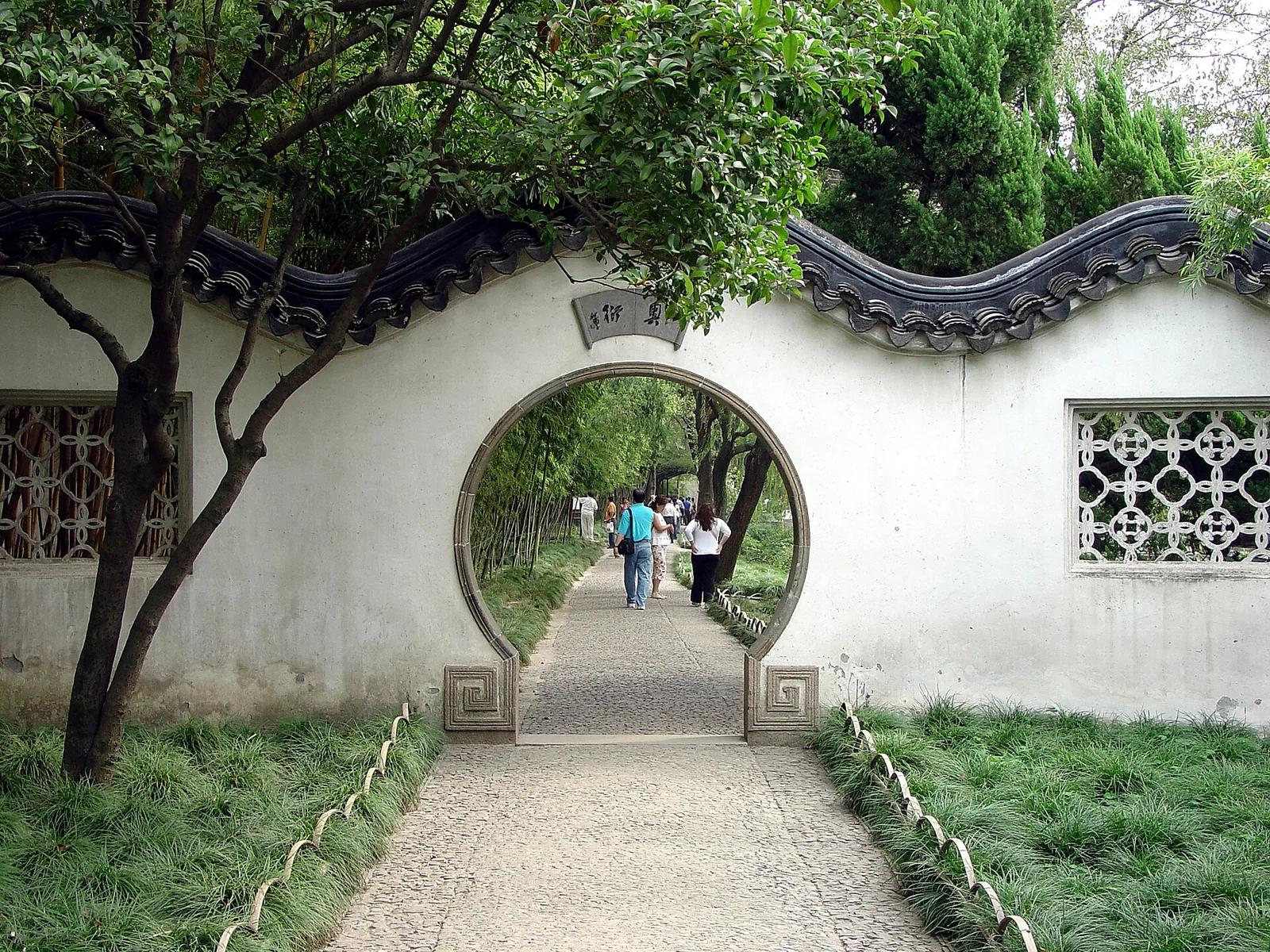 02 The water Canals were the streets. Bridges were the corners. The old town still moves at that pace.
 03 The inheritance Two and a half thousand years, and the crafts, sounds and buildings still in the hand.
 04 The hand Silk, double-sided embroidery, fans, jade. What is still made here, and what is theatre.
 05 The room A museum, a pagoda, a teahouse, a lake. The city outside the garden walls.

04 The hand, in close-up
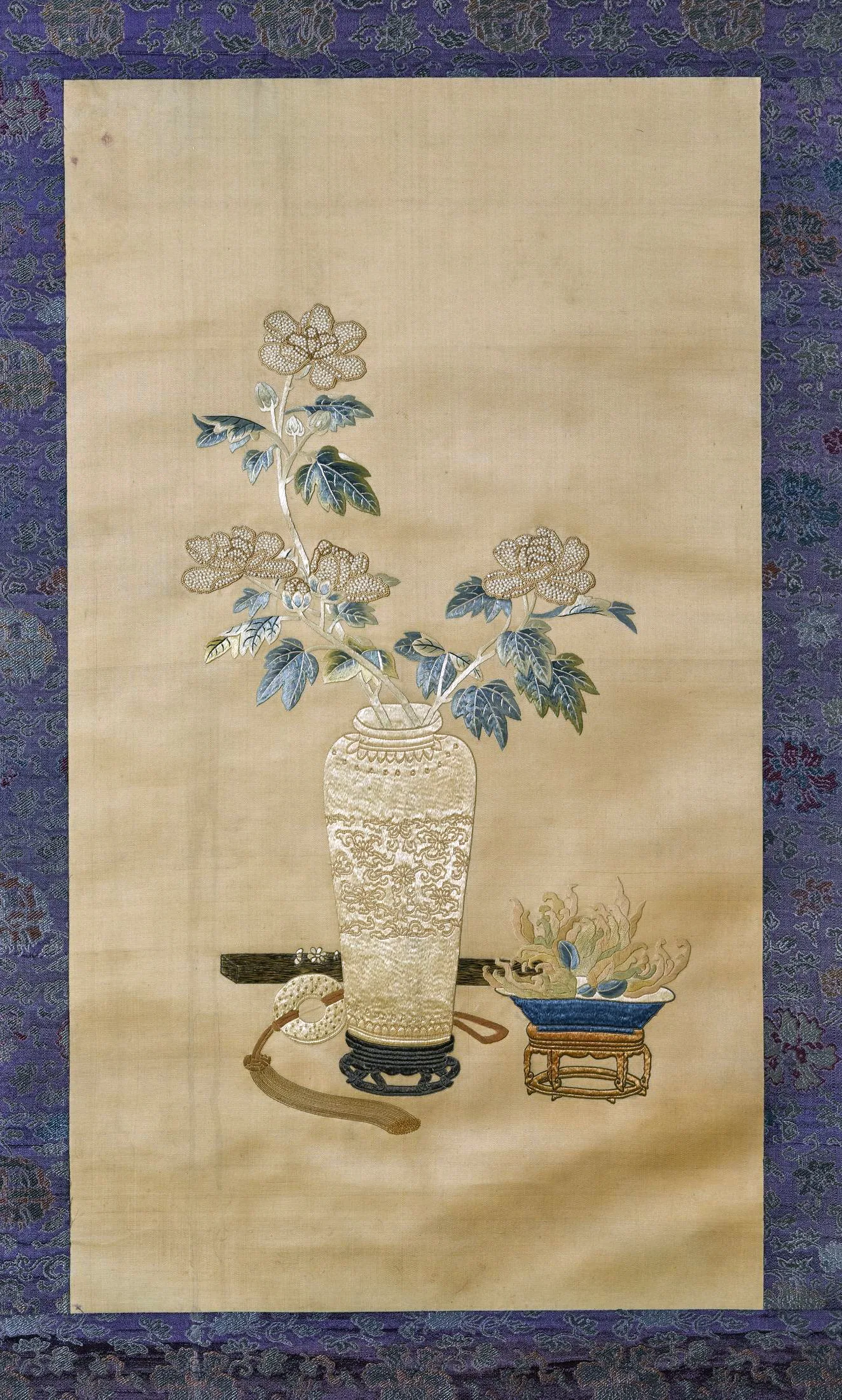
The city’s other masterpiece is stitched.
Suzhou’s gardens are built from stone, water and borrowed views. Its embroidery is built from silk, patience and a needle finer than a hair.
Most visitors meet Su embroidery as a souvenir: a framed “silk painting” on Pingjiang Road, sold with a story. The real thing is stranger and much more impressive — two faces on one cloth, colour built like brushwork, a single panel that can take a year. This special section is a short course in seeing it.
The garden finder
Which garden is yours?
Five questions about time, crowds, rockeries, and the kind of afternoon you want. Two honest recommendations, including the one you should skip.
Open the finderRoutes
However long you have
A day trip from Shanghai is possible. It is also the reason most people leave Suzhou thinking they have seen it. These routes assume you would rather stay one night longer.
Field notes
Small things that change a visit
Short essays on looking, weather, silk, and timing. Written for the hour before you leave the hotel, not for a coffee-table book.
When to come
Four seasons, four cities
Suzhou changes more than its temperature. Spring is blossom and cool stone. Autumn is osmanthus, crab, and the clearest light of the year. Summer is lotus and thunderstorms. Winter is the quietest version.
Private experiences
Want to meet the makers?
I arrange a small number of private cultural experiences in Suzhou — studio time with an embroiderer, a Kunqu evening, a Xiangshan workshop, a three-day immersion. Tell me your dates and what you want to understand, and I will tell you honestly what is possible.